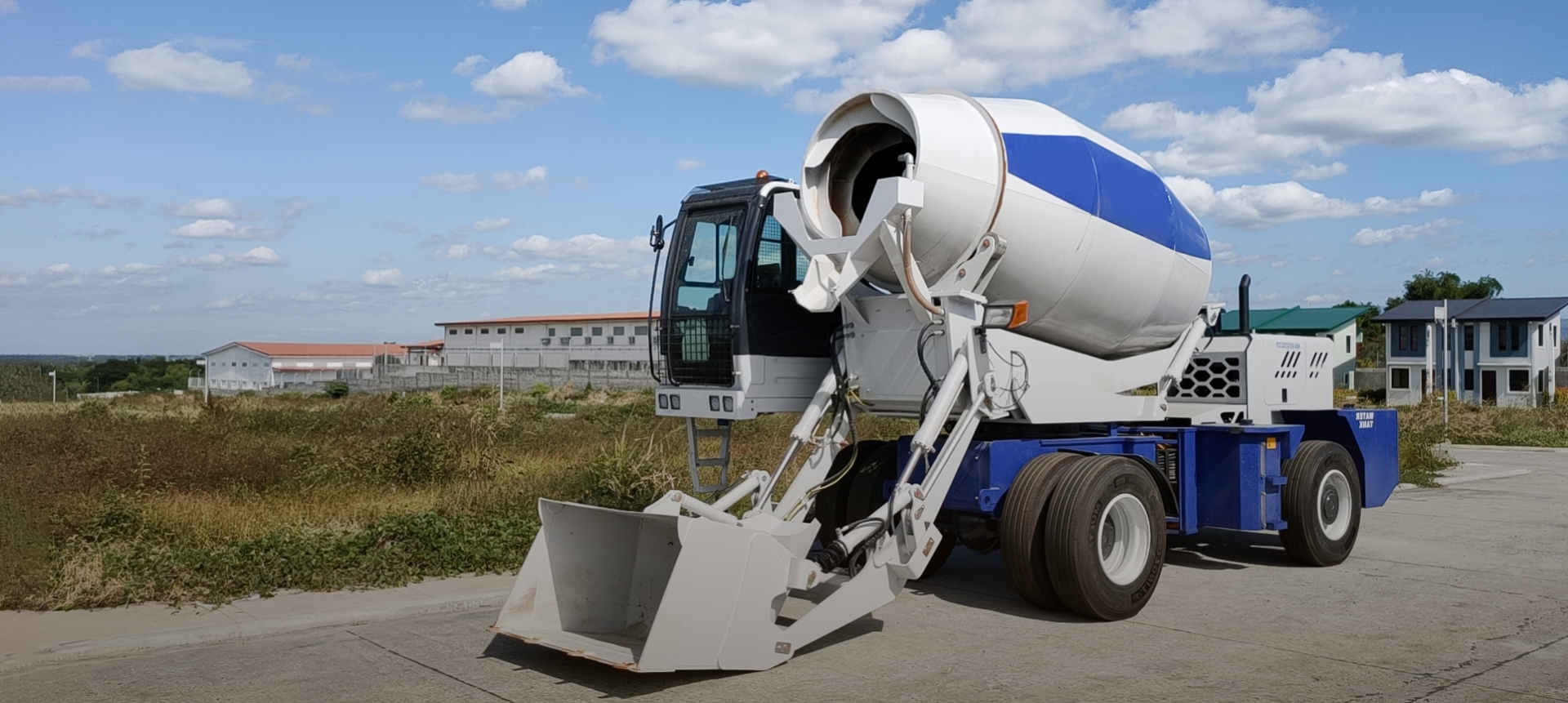
In many tropical regions of Latin America, construction and mining projects operate under extremely humid and rainy conditions. Countries such as Chile and Peru include rainforest zones where frequent rainfall, high humidity, and muddy terrain create challenging environments for heavy equipment. Among the machines commonly used on remote infrastructure projects is the self-loading concrete mixer, a versatile piece of equipment capable of batching, mixing, transporting, and discharging concrete on site.
While engine power, mixing efficiency, and mobility often receive the most attention, electrical system reliability is equally critical. One of the most vulnerable components in wet climates is the wiring harness. Poor waterproof design can lead to electrical failures, sensor malfunction, and downtime that directly affects productivity. For contractors evaluating a self-loading concrete mixer(autohormigonera) price, understanding the importance of waterproof wiring harness design is essential because it influences both durability and long-term operating costs.
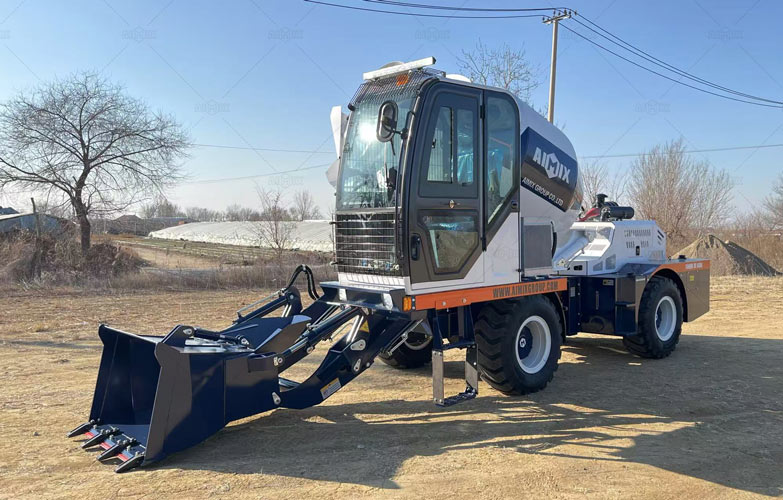
Why Tropical Rainforest Climates Create Electrical Challenges
Tropical rainforest regions present one of the most demanding environments for electrical systems in construction equipment. Continuous exposure to moisture and fluctuating temperatures can degrade electrical components much faster than in dry environments.
Persistent High Humidity
Rainforest regions often maintain humidity levels above 80 percent throughout the year. Under these conditions, condensation can form inside electrical connectors and wiring channels. Even small amounts of moisture may lead to corrosion of copper conductors or increased electrical resistance.
For a self-loading concrete mixer operating daily on construction sites, the wiring harness connects key systems such as sensors, hydraulic control modules, dashboard electronics, and safety monitoring devices. If moisture infiltrates these circuits, it may cause intermittent faults or complete system shutdowns.
Heavy Rainfall and Water Exposure
Many rainforest regions experience sudden tropical storms that produce intense rainfall. Equipment frequently operates outdoors without shelter, and water may penetrate electrical connectors if sealing protection is inadequate.
Contractors working with a self-loading concrete mixer Chile(autohormigonera Chile) project in southern or central rainforest regions may encounter prolonged rainy seasons. Similarly, infrastructure projects in the Amazon basin make the self-loading concrete mixer Peru a common choice because it allows on-site concrete production in remote areas where traditional batching plants are not feasible.
However, these same environments expose electrical systems to constant water spray, muddy splashes, and standing water.
Mud, Dust, and Organic Debris
Rainforest job sites are rarely clean environments. Mud, sand, plant debris, and construction materials can accumulate on wiring harnesses and connectors. When combined with moisture, these contaminants accelerate corrosion and may create short circuits between electrical terminals.
Key Functions of Wiring Harnesses in Self-Loading Concrete Mixers
Modern construction equipment relies heavily on electrical communication systems. The wiring harness serves as the central network connecting sensors, controllers, and power sources across the machine.
Sensor and Control Communication
Many self-loading mixers use electronic sensors to monitor hydraulic pressure, engine parameters, drum rotation speed, and material loading weight. These sensors send signals to the control panel through the wiring harness.
If water penetrates the wiring system, inaccurate signals may be transmitted, leading to improper machine operation or warning alarms.
Hydraulic System Integration
The hydraulic system controls important functions such as bucket lifting, drum rotation, steering, and discharge mechanisms. Electronic control units rely on wiring harness connections to coordinate these operations.
Electrical interruptions caused by moisture can result in delayed hydraulic responses or sudden loss of control, which may compromise both productivity and operator safety.
Safety and Monitoring Systems
Modern equipment includes safety alarms, lighting systems, backup cameras, and diagnostic modules. These systems also depend on stable electrical connections. Waterproof wiring harness design helps ensure these critical functions remain operational in harsh weather.
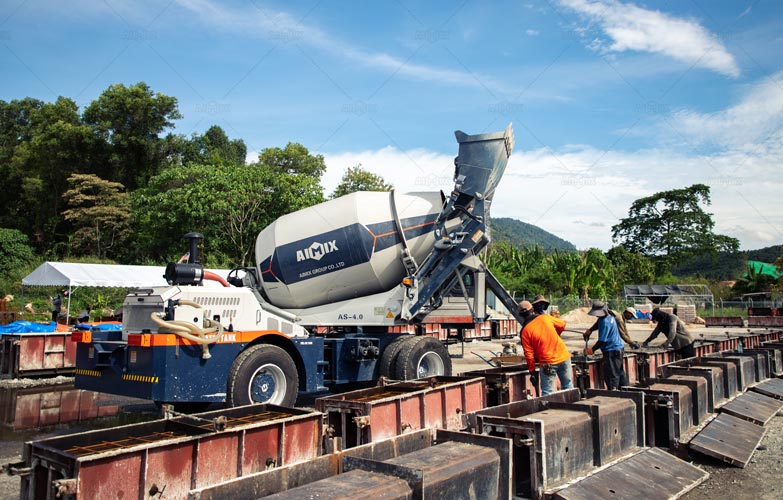
Core Elements of Waterproof Wiring Harness Design
Manufacturers that design equipment for humid climates typically incorporate multiple protective strategies into their electrical systems. These features significantly improve reliability in rainforest environments.
Sealed Connectors and Waterproof Plugs
High-quality wiring harnesses use sealed connectors with rubber gaskets or silicone seals. These components prevent water from entering the contact area between terminals.
Waterproof plugs also protect electrical connections from pressure washing, rainfall, and mud splashes. For contractors evaluating different equipment models, these details may influence the real value behind a self-loading concrete mixer price(autohormigonera precio).
Protective Cable Sheathing
The outer insulation layer of the wiring harness is another critical protective element. Durable materials such as high-grade PVC, polyethylene, or thermoplastic elastomers help resist water infiltration, abrasion, and chemical exposure.
In rainforest environments where branches, rocks, and debris may rub against equipment, strong cable sheathing helps prevent physical damage to electrical conductors.
Elevated Routing and Protective Channels
Well-engineered equipment avoids routing electrical harnesses through areas where water accumulation is likely. Instead, cables are often placed in elevated pathways or protected channels within the machine structure.
This routing strategy reduces the chance of water immersion, especially when machines operate in muddy construction zones or flooded terrain.
Anti-Corrosion Terminal Materials
Electrical terminals made from corrosion-resistant materials such as tin-plated copper or specialized alloys offer improved durability in humid climates. These materials slow down oxidation and maintain stable electrical conductivity even when exposed to moisture.
Operational Benefits of Waterproof Electrical Systems
For contractors and equipment owners, waterproof wiring harness design delivers several operational advantages that extend beyond simple reliability.
Reduced Equipment Downtime
Electrical failures can halt machine operation unexpectedly. Troubleshooting these problems in remote rainforest locations can be time-consuming because spare parts and technical support may not be readily available.
Reliable waterproof wiring reduces the frequency of electrical faults, allowing projects to maintain continuous production.
Lower Maintenance Costs
Moisture-related electrical damage often requires replacing connectors, sensors, or entire wiring harness sections. Preventive waterproof design minimizes these repair costs over the life cycle of the equipment.
When contractors evaluate the long-term value of a self-loading concrete mixer, maintenance savings should be considered alongside the initial purchase price.
Improved Equipment Lifespan
Electrical systems that resist corrosion and moisture damage contribute to a longer service life for the entire machine. Consistent electrical performance also protects other systems such as hydraulic controls and monitoring modules.
Considerations for Contractors in Latin America
Construction companies working in tropical regions should pay special attention to electrical system durability when selecting equipment.
Evaluating Equipment Specifications
When comparing models, contractors should review manufacturer specifications related to waterproof connectors, harness insulation materials, and environmental protection ratings.
These technical details may not be as visible as engine horsepower or drum capacity, but they significantly affect reliability in rainforest climates.
Local Project Conditions
Projects located in humid forest regions or near coastal environments typically expose machinery to continuous moisture. Equipment used in these areas must be designed to withstand both rain and high humidity levels.
For example, contractors involved in infrastructure development may rely on a self-loading concrete mixer Chile for road construction in remote regions. Similarly, remote mining or infrastructure projects may require a self-loading concrete mixer Peru(autohormigonera Perú) to produce concrete directly at the job site.
In both cases, reliable waterproof electrical systems ensure the equipment can operate efficiently despite harsh weather conditions.
Conclusion
Tropical rainforest climates create significant challenges for construction equipment due to persistent humidity, heavy rainfall, and muddy operating environments. Among the many design factors that influence equipment reliability, waterproof wiring harness systems play a crucial role.
For machines such as the self-loading concrete mixer, the wiring harness connects critical sensors, hydraulic controls, and monitoring systems. Without proper waterproof protection, moisture intrusion can lead to electrical faults, downtime, and increased maintenance costs.
By incorporating sealed connectors, corrosion-resistant terminals, protective cable insulation, and intelligent routing strategies, manufacturers can significantly improve equipment durability. For contractors comparing equipment options or evaluating the real value behind a self-loading concrete mixer price, understanding these technical features is essential.
In challenging environments across Latin America—including projects requiring a self-loading concrete mixer Chile or a self-loading concrete mixer Peru—robust waterproof electrical design ultimately supports consistent productivity, safer operation, and lower long-term operating costs.